Watercolor Orange Butterflies Clipart Review
As a professional embroidery designer and product reviewer, I approach every new digital asset with a critical eye. When evaluating Watercolor Orange Butterflies Clipart, my primary concern is not just how beautiful the illustration looks on a screen, but how effectively it translates into a tangible, stitched reality. For Etsy sellers, boutique owners, and hobbyists, the gap between a pretty digital file and a sellable embroidered patch or custom apparel piece can be vast. This review dissects the practical application of these illustrations for real-world machine embroidery projects, focusing on stitchability, market appeal, and production viability.
First Impressions: Mood and Visual Personality
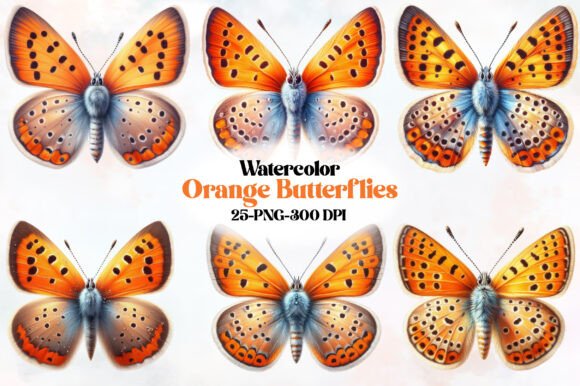
Upon opening the Watercolor Orange Butterflies Clipart collection, the immediate impression is one of warmth and organic movement. Unlike rigid vector art, these illustrations possess a softness that mimics traditional painting. The color palette leans into vibrant tangerines, soft peaches, and burnt siennas, creating a mood that feels nostalgic yet contemporary. For a designer, this specific tonal range suggests high versatility. It avoids the neon brightness that often looks cheap in thread form, instead offering a sophisticated aesthetic suitable for higher-end handmade products.
The shapes are distinct but fluid. In embroidery digitizing, clear silhouettes are essential. These butterfly illustrations maintain strong outer boundaries despite their watercolor texture, which is a massive advantage when converting them into an applique design or defining satin stitch borders. The visual personality strikes a balance between whimsical and elegant, making it appropriate for both baby embroidery items and adult fashion accessories without feeling juvenile or overly severe.
Real-World Application: The Custom Tote Bag Test
To truly evaluate this clipart, I mentally placed it into a current client project: a line of natural canvas tote bags intended for a summer craft fair. Canvas is a textured fabric that can swallow fine details, so the design needs bold presence. The Watercolor Orange Butterflies Clipart performs exceptionally well here because the scale allows for adequate stitch density without becoming bulletproof.
When adapting these illustrations for a tote bag design, the organic edges lend themselves perfectly to a raw-edge applique technique backed by a running stitch. The watercolor shading guides thread color selection beautifully; rather than guessing where to place highlight and shadow threads, the artwork provides a built-in map for blending fill stitch colors. This reduces the trial-and-error phase significantly. For a small shop product, this efficiency matters. The resulting finished product has a painterly quality that elevates it above standard stock designs, justifying a higher price point and increasing buyer engagement through perceived artistic value.
Performance Across Different Substrates
Versatility is key for commercial embroidery businesses. While these butterflies shine on stable fabrics like canvas and denim, their performance varies elsewhere. For sweatshirt embroidery, the design’s warmth complements fleece textures, but you must account for the pile. Using a water-soluble topping is non-negotiable here to prevent the stitches from sinking and losing the delicate watercolor definition.
For baby clothes and lightweight cottons, caution is required. Watercolor styles often imply gradient fills, which can lead to excessive stitch counts if not managed correctly. If using this clipart as a reference for digitizing a baby onesie, prioritize open fills or lighter stitch densities to maintain garment drape. Conversely, for embroidered patches intended for caps or backpacks, the bold orange tones provide excellent contrast against navy, forest green, or charcoal backgrounds, ensuring recognition from a distance.
Navigating Technical Challenges and Fabric Limitations
No design asset is without limitations. When working with Watercolor Orange Butterflies Clipart, be mindful of dark fabrics. Because the source art relies on light-to-medium orange tones, stitching this onto black fabric without a white underlay will result in muddy, invisible details. Always plan for an underlay base or choose lighter garment colors to preserve the integrity of the illustration.
Stretchy fabrics present another hurdle. Intricate wing patterns require stability. If you attempt this design on jersey knit without proper stabilizer and hooping tension, registration will fail, and the wings will look distorted. Additionally, avoid placing highly detailed sections of the butterfly near seams or curved surfaces like cap visors. The complexity of the watercolor effect demands a flat, stable stitching field to render correctly. For items requiring frequent washing, such as kitchen towels or aprons, ensure your digitized version uses durable thread types and secure edge finishes, as the delicate aesthetic should not compromise structural integrity.
Impact on Brand Value and Customer Trust
In the saturated market of digital product sellers and craft businesses, uniqueness drives sales. Using generic, over-digitized butterfly files often leads to commoditized products. Integrating original Illustrations like Watercolor Orange Butterflies Clipart signals intentionality to your customers. It shows that you are curating specific aesthetics rather than grabbing whatever is free or cheap.
This attention to detail builds customer trust. When a buyer sees a personalized gift where the thread colors perfectly match the nuanced shading of the original art, they perceive higher craftsmanship. For Etsy sellers, this translates to better reviews and repeat business. Furthermore, using cohesive design assets across multiple products—matching nursery decor pillows with holiday embroidery ornaments—creates brand consistency that makes your shop look professional and established.
Essential Designer Notes for Production Success
Before committing this clipart to a commercial run or a cherished personal project, adhere to these practical protocols:
- Verify Licensing: Always confirm whether your purchase includes commercial rights for physical products versus digital redistribution. Never assume usage terms.
- Test Stitch on Scrap: Never run a new design on a final product first. Test on similar fabric weight and texture to check coverage and drape.
- Analyze Contrast: Print the clipart in black and white. If the image loses definition in grayscale, your embroidery will lack depth. Adjust thread values accordingly.
- Check Hoop Size Compatibility: Ensure the aspect ratio of the butterfly fits your available hoops without excessive resizing, which alters stitch density.
- Create Printable Mockups: Use the clipart to create realistic digital previews for listings before you even stitch. This validates market interest and saves production time.
- Review Thread Colors: Map out your thread palette before digitizing. Watercolor effects often require 3-4 shades of orange per section to achieve the blend.
- Inspect Small Details: If resizing down for baby embroidery, simplify internal wing details. Tiny areas cannot hold complex fill stitch patterns.
Making the Final Decision
Watercolor Orange Butterflies Clipart represents a valuable asset for makers who understand the relationship between digital art and textile execution. It offers a fresh alternative to standard vector graphics, providing the emotional resonance necessary for successful handmade goods. Whether you are creating custom apparel, designing for a boutique, or crafting a meaningful personalized gift, this collection provides a strong foundation.
However, success lies in translation. Treat these illustrations as a blueprint, not a finished instruction manual. Respect the fabric limitations, invest time in proper digitizing techniques, and always validate your results through testing. By approaching this digital embroidery file with professional discipline, you transform a simple graphic into a premium product that resonates with buyers and stands the test of wear. For the creative entrepreneur willing to put in the technical work, the return on investment for this aesthetic is substantial.