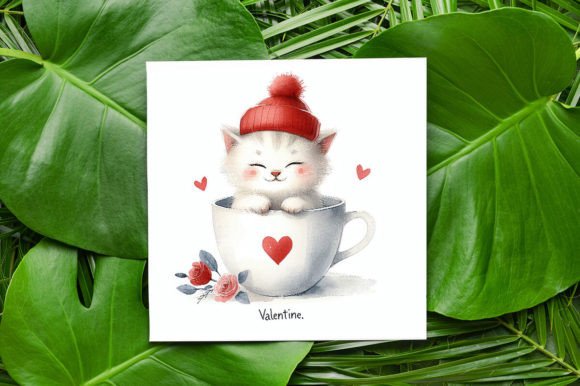
Watercolor Valentine's Cute Cat: A Stitch Test
As a designer who has digitized and reviewed thousands of files, I approach every new machine embroidery design with a healthy dose of skepticism. We have all purchased files that look stunning on screen but turn into thread nests or muddy blobs once the needle hits the fabric. When evaluating the Watercolor Valentine s Cute Cat for potential inclusion in my commercial lineup, my primary concern was not just its aesthetic charm, but its structural integrity as an embroidery file. This design falls under the Illustrations category, which often implies complex color blending and shading. Translating watercolor art into thread requires precise stitch density management to avoid bulletproof stiffness while maintaining that soft, painted look.
First Impressions and Visual Personality
My initial assessment of Watercolor Valentine s Cute Cat focused on mood and composition. The design captures a whimsical, romantic sentiment without being overly saccharine, making it versatile for various demographics. The shape is organic rather than rigidly boxed, which is excellent for placement on curved surfaces or off-center layouts. For a handmade product, this visual personality matters. Customers are drawn to items that feel bespoke and artistic rather than mass-produced. The illustration style suggests a blend of fill stitch and potentially satin stitch outlines to define the feline features against the softer background elements. As a reviewer, I immediately looked for how well the transition zones were handled; harsh lines ruin the watercolor illusion, while smooth gradients elevate the perceived value of the finished product.
Real-World Application: The Sweatshirt Test
To truly judge this asset, I mentally placed it in a specific production scenario: creating a premium Valentine’s Day sweatshirt for an Etsy shop. Fleece and French terry fabrics present unique challenges due to their pile and stretch. In this context, Watercolor Valentine s Cute Cat needs to perform as more than just a pretty picture; it must be a viable sweatshirt embroidery candidate. The design’s scale is crucial here. If the file is too small, the intricate details of the cat’s expression will get lost in the fleece texture. If it is too large, the stitch density required to cover the fabric could make the garment heavy and uncomfortable.
For this project, I would treat this as a centerpiece motif on the chest or back yoke. The Valentine theme makes it ideal for seasonal inventory, but the cute cat aspect gives it longevity beyond February 14th. When selling custom apparel, customers expect durability. I evaluated whether the design utilizes adequate underlay to prevent the stitches from sinking into the knit fabric. A well-digitized version of this illustration should include edge runs or center walk stitches to anchor the top threads securely. Without this technical foundation, even the most beautiful artwork will fail after one wash cycle, damaging your reputation as a maker.
Navigating Fabric Limitations and Hoop Constraints
While Watercolor Valentine s Cute Cat shines on stable knits, caution is necessary when adapting it for other mediums. I would hesitate to use this specific illustration on high-texture fabrics like terry cloth towels or burlap unless an applique design variation is available. The subtle color shifts inherent in watercolor styles rely on smooth thread coverage; textured fabrics disrupt this visual continuity. Similarly, for baby embroidery projects like onesies or bibs, you must verify the physical size and stitch count. Babies have sensitive skin, and dense illustrative stitching can be abrasive. Always check if the file offers a "light" or "redwork" version suitable for delicate garments.
Hoop size compatibility is another practical consideration. Before purchasing or stitching, confirm that the dimensions fit your machine’s capabilities without requiring excessive re-hooping. Multi-position designs increase the margin for error and alignment issues. For small shop product creators working with limited equipment, a single-hoop version of Watercolor Valentine s Cute Cat is infinitely more valuable than a multi-part masterpiece that takes three hours to align perfectly. Additionally, consider dark fabrics. Watercolor designs often rely on light thread colors for shading. On black or navy material, you may need to add a white underlay base or choose a specific colorway designed for dark backgrounds to maintain contrast and clarity.
Commercial Viability for Makers and Sellers
For the Etsy seller or boutique owner, time is money. This design’s complexity directly impacts production speed. During my review, I considered the balance between visual impact and stitch efficiency. A design that looks like a painting but stitches out in 15,000 stitches is a goldmine for commercial embroidery. Conversely, if it requires 40,000 stitches for a 4-inch area, it becomes a loss leader unless priced as a luxury item. The versatility of Watercolor Valentine s Cute Cat also extends to non-apparel items. It would translate beautifully to a tote bag design or an embroidered patch, both of which are high-margin add-ons for craft businesses.
Digital presentation is equally important. Before listing a personalized gift featuring this cat, create accurate printable mockup previews. Do not rely solely on software-generated renders. Stitch out a sample on the actual substrate you intend to sell. Photographing the real texture builds buyer trust and reduces returns caused by unmet expectations. As design assets, illustrations like this help establish brand consistency. If your shop focuses on cottage-core or pet lover aesthetics, this file reinforces that niche identity across multiple products, from holiday embroidery cards to nursery decor.
Essential Pre-Stitch Checklist for Designers
Before committing Watercolor Valentine s Cute Cat to a final product, run through this professional validation list:
- Test on Scrap Fabric: Never stitch a new illustrative design directly onto a sellable item. Use a scrap of the exact fabric and stabilizer combination planned for the final piece to check for puckering or registration errors.
- Verify Thread Colors: Watercolor effects depend heavily on specific color blending. Check if the designer provides a thread chart. Substituting colors without testing can result in a flat, cartoonish look instead of the intended painterly effect.
- Inspect Stabilizer Choice: Illustrations usually require cut-away stabilizer for permanent support, especially on stretchy fabrics. Tear-away is rarely sufficient for detailed fill stitches and may distort the design during removal.
- Check Licensing Terms: Confirm whether the digital embroidery file allows for commercial use on finished goods versus digital resale. Protecting your business starts with respecting intellectual property rights.
- Evaluate Small Details: Zoom in on the file in your editing software. Are there tiny satin columns less than 1mm? These may break needles or shred thread. Ensure all elements are robust enough for real-world wear.
Final Verdict on Design Utility
Watercolor Valentine s Cute Cat represents a strong contender for makers seeking to bridge the gap between seasonal trends and evergreen appeal. Its success in your studio depends entirely on technical execution. Treat it as a collaboration between the digitizer’s art and your craftsmanship. By respecting the nuances of fabric texture, hoop size, and proper stabilization, you transform a simple digital file into a tangible, high-quality asset. Whether used for a heartfelt holiday gift or a best-selling boutique sweatshirt, this illustration offers significant creative potential for those willing to validate its performance before production. Always prioritize the tactile reality of the stitch over the digital perfection of the screen, and your customers will appreciate the difference in every handmade piece they receive.