Watercolor Sunflower Highland Calf Review
As a professional embroidery designer and product reviewer, I approach every new machine embroidery design with a critical eye toward production viability. When evaluating the Watercolor Sunflower Highland Calf, my primary concern is not just aesthetic appeal, but how this illustration translates from screen to fabric. This design sits squarely in the Illustrations category, blending the rustic charm of highland cattle with the vibrant, organic feel of watercolor florals. For makers, Etsy sellers, and apparel decorators, this combination offers significant potential, but it also demands specific technical considerations to ensure the finished product meets customer expectations.
First Impressions and Visual Personality
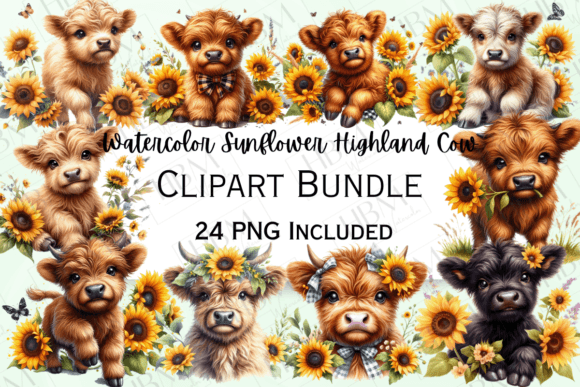
The immediate mood of the Watercolor Sunflower Highland Calf is whimsical yet grounded. Unlike cartoonish vector art, this design attempts to replicate the soft edges and color blending of painted media. From a digitizing perspective, this usually implies a reliance on complex fill stitch patterns rather than clean satin columns. The visual personality feels handcrafted and boutique-ready, making it an excellent candidate for custom apparel and nursery decor. However, the "watercolor" effect in embroidery is achieved through thread density variation and color layering. As a reviewer, I look for smooth transitions between the calf’s fur and the sunflower petals. If the digitizer has used too many hard stops or excessive trims, the illusion breaks, and the design looks blocky rather than painted. This specific motif naturally belongs on items that celebrate cottagecore aesthetics, farm life, or gentle childhood themes.
Real-World Application: The Custom Tote Bag Test
To truly evaluate this asset, I mentally placed it into a real-life production scenario: creating a premium canvas tote bag design for a fall market collection. Totes are a staple small shop product, but they present unique challenges due to the coarse weave of canvas. In this context, the Watercolor Sunflower Highland Calf needs to hold its own against the fabric texture without becoming so dense that it distorts the bag's shape.
For this project, I would treat the design as a centerpiece. The warm yellows of the sunflowers paired with the earthy tones of the highland calf create a focal point that drives buyer engagement. However, because tote bags are functional items subject to wear, I would be cautious about extremely long floating stitches often found in watercolor-style files. If the embroidery file lacks adequate underlay or tie-downs, the threads could snag on keys or groceries. A successful application here might involve pairing the digital file with a light tear-away stabilizer to maintain registration while keeping the fabric drape natural. This balance is what separates a professional handmade product from a hobbyist experiment.
Technical Performance Across Different Substrates
Versatility is key for any commercial embroidery business. While this design shines on stable fabrics like canvas or denim, its performance varies elsewhere. Here is how I assess its utility across common projects:
- Sweatshirt Embroidery: Fleece and french terry are ideal canvases for this style. The pile of the fabric helps hide minor registration shifts inherent in watercolor designs. Ensure you use a cutaway stabilizer to prevent puckering around the detailed floral elements.
- Baby Embroidery: The theme is perfect for onesies and blankets, but safety and comfort are paramount. Check the back of the stitching. If the stitch density is too high to achieve the painterly effect, it may irritate sensitive skin. Using a soft mesh cutaway and topping can help keep the design flat and comfortable.
- Embroidered Patch: This illustration could work beautifully as a patch, provided the border is defined. Watercolor edges can sometimes look unfinished on a standalone patch; verify if the file includes a solid edge stitch or if you will need to add one during production.
- Kitchen Towels and Tea Towels: Linen and cotton towels are classic choices. Be mindful of washing. Designs with high thread counts and color blending can sometimes pull at the weave of lighter linens after repeated laundering. Test washability before listing as a premium kitchen item.
Navigating Fabric Limitations and Hoop Constraints
Not every surface is suitable for the Watercolor Sunflower Highland Calf. As an experienced designer, I advise caution when attempting this on highly textured fabrics like boucle or thick ribbed knits. The fine details required to mimic watercolor brushstrokes will get lost in the fabric grain, resulting in a muddy appearance. Similarly, stretchy performance fabrics require significant stabilization; otherwise, the weight of the thread will cause the garment to sag.
Hoop size is another critical factor. Watercolor illustrations often lose their impact when scaled down excessively. Before purchasing or using this digital embroidery file, confirm the minimum recommended size. Shrinking a complex illustration by 30% can cause thread breaks and fill stitch overlap issues. Conversely, scaling up too large on thin fabric creates a bulletproof patch effect. Always respect the digitizer’s intended dimensions to preserve the artistic integrity of the Illustrations category.
Impact on Brand Value and Customer Trust
Using distinctive assets like the Watercolor Sunflower Highland Calf directly influences perceived value. Generic clipart saturates the market, but cohesive, artistic illustrations signal professionalism. For an Etsy seller or boutique owner, consistency in style builds brand recognition. If your shop features this highland calf, customers will associate your brand with that specific blend of rustic warmth and artistic quality.
Furthermore, high-quality execution builds trust. When a customer receives a personalized gift where the thread colors match the preview perfectly and the registration is crisp, they become repeat buyers. Poorly executed watercolor designs, however, can look messy and amateurish. Your reputation hinges on selecting files that stitch out cleanly and presenting them accurately in your listings.
Essential Designer Notes for Production Success
Before running this design on a final product, adhere to these practical protocols:
- Test Stitch is Mandatory: Never assume a digital preview equals physical reality. Run a test on scrap fabric that matches your final substrate weight and texture.
- Verify Thread Colors: Watercolor effects rely on specific shading. Check if the thread colors specified in the file match your inventory. Substituting shades can flatten the dimensional look of the sunflowers or calf.
- Review Licensing: Confirm whether the license allows for commercial use on finished goods versus digital redistribution. This distinction is vital for protecting your craft business legally.
- Mockup Accuracy: When creating a printable mockup for your store, avoid over-filtering. Show the texture of the stitches. Customers appreciate seeing how the Watercolor Sunflower Highland Calf actually looks as embroidery, not just as digital art.
- Check Small Details: Inspect tiny elements like the calf’s eyes or flower centers. If they are smaller than 1mm, they may not stitch clearly on all machines. You may need to edit the file slightly for your specific equipment.
Ultimately, the Watercolor Sunflower Highland Calf is a promising asset for makers who understand the nuances of translating art into thread. By respecting the technical requirements of stitch density, stabilizer choice, and fabric compatibility, you can transform this charming illustration into a best-selling embroidery project that delights customers and elevates your handmade portfolio. Always prioritize the tangible quality of the stitch-out over the convenience of the digital file, and your work will stand out in a crowded marketplace.