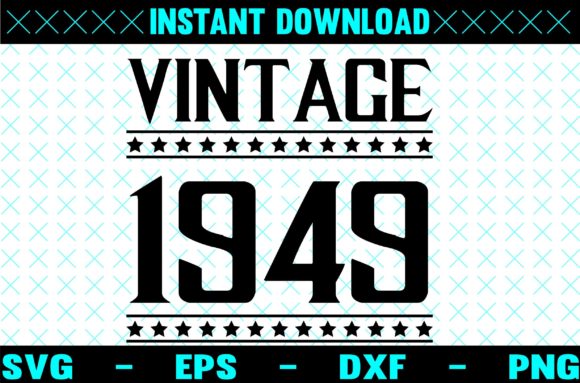
Vintage 1949 SVG Design: An Embroidery Review
As a designer who spends just as much time behind an embroidery machine as I do at a computer screen, I approach every new digital asset with a healthy dose of skepticism. When evaluating the VINTAGE 1949 SVG DESIGN, my first thought isn't about how it looks on a monitor, but how it will translate into thread. While this product is marketed primarily as an instant download cutting file compatible with Cricut and Silhouette machines, its potential for mixed-media and embroidery applications is significant for those willing to adapt it. For crafters, Etsy sellers, and apparel decorators, understanding the bridge between a vector graphic and a stitched reality is where the true value lies.
First Impressions and Vintage Aesthetic
The visual personality of the VINTAGE 1949 SVG DESIGN immediately evokes a sense of mid-century nostalgia. The typography and layout suggest a classic, retro vibe that is currently dominating the personalized gift market. From a design perspective, the clean lines typical of SVG graphics are a double-edged sword for embroiderers. On one hand, crisp vectors make for excellent digitizing foundations; on the other, they lack the organic imperfections that give vintage embroidery its charm. As a reviewer, I see this design as a blank canvas. It feels masculine yet versatile enough for unisex baby items or milestone birthday projects. It doesn't scream "trend," which makes it a safer investment for small shop owners looking for evergreen inventory rather than fleeting fads.
Real-World Application: The Milestone Sweatshirt Test
To truly judge this asset, I mentally placed it in a real-life production scenario: creating a custom embroidered sweatshirt for a 75th birthday celebration. This is a high-stakes project where customer trust is paramount. In this context, the VINTAGE 1949 SVG DESIGN serves as the central focal point. Because the original file is intended for cutting machines, I had to consider how to convert these sharp edges into a stitch-friendly format.
For this sweatshirt project, I envisioned using the SVG as a guide for a combination technique. The bold outer shapes could be executed as an applique design using vintage-washed cotton, while the inner details and date numerals would require precise satin stitch columns. This hybrid approach leverages the strengths of the vector file while adding the tactile warmth expected in a handmade product. If you are an Etsy seller listing this type of custom apparel, photographing the texture difference between the applique fabric and the satin stitching is crucial. Buyers need to see that this isn't a cheap iron-on transfer but a quality piece of commercial embroidery.
Navigating Fabric Choices and Stabilizer Strategy
Not all fabrics treat vintage typography kindly. When working with the VINTAGE 1949 SVG DESIGN, your choice of stabilizer will dictate the professional finish of the final product. Since this design likely features distinct lettering and potentially intricate borders, registration is key.
- Fleece and French Terry: Ideal for sweatshirts, but these stretchy fabrics demand a cut-away stabilizer to prevent the "1949" numerals from distorting during washing. A fusible mesh backing can help anchor the design before hooping.
- Canvas Tote Bags: The sturdy texture of canvas pairs beautifully with this vintage theme. However, because canvas is thick, you must ensure your hoop size accommodates the design without hitting the machine foot. Use a tear-away stabilizer here, but add a water-soluble topping to keep the stitches from sinking into the weave.
- Baby Onesies: Proceed with caution. The density required to make this design pop might be too heavy for lightweight jersey knits. If adapting this for baby embroidery, reduce the stitch density significantly or opt for a running stitch outline rather than a full fill stitch to maintain garment drape.
Critical Considerations for Small Details and Curves
One area where I advise caution is when applying this design to curved surfaces like caps or sleeves. Vector files are flat by nature; embroidery machines stitch in three dimensions. If the VINTAGE 1949 SVG DESIGN includes wide horizontal elements, they may warp on a curved cap brim. Always run a test stitch-out on scrap fabric that mimics your final substrate. Check specifically for tiny lettering or decorative serifs. In digital graphics, a hairline detail looks elegant; in embroidery, anything under 1mm width risks breaking needles or becoming illegible.
Furthermore, consider the contrast. Vintage designs often rely on muted tones. Ensure your thread colors provide enough definition against the fabric. A cream thread on a white towel will disappear, whereas a navy satin stitch on a beige tote bag creates the necessary visual hierarchy. For dark fabrics, verify if the design includes an underlay path. Without proper underlay, light threads on dark material will look muddy and unprofessional.
Commercial Viability for Makers and Sellers
For creative entrepreneurs and digital product sellers, versatility is revenue. The VINTAGE 1949 SVG DESIGN offers excellent ROI because it targets multiple demographics simultaneously. It works for men’s workshop aprons, women’s gardening hats, kids' birthday shirts, and heritage quilts. However, before listing finished products or selling the digital embroidery file itself, you must confirm the licensing terms. Just because a file is an instant download does not automatically grant commercial rights for mass-produced merchandise.
When creating printable mockups for your shop, avoid using flat digital renders alone. Customers buying handmade goods want to see stitch texture. Use the SVG to create a placement guide, stitch out a sample, and then photograph that sample. This builds buyer engagement and reduces returns caused by unmet expectations regarding size and detail clarity. Professionalism in presentation signals to the buyer that you understand the difference between a graphic and a garment.
Designer Notes for Successful Adaptation
If you plan to digitize this SVG for machine use, keep these practical tips in mind to ensure a smooth production run:
- Simplify for Stitch: Do not auto-digitize directly from the SVG without editing. Vectors have infinite resolution; stitches do not. Smooth out jagged nodes and merge overlapping areas to reduce jump stitches.
- Check Licensing: Verify whether the license covers physical sales, digital resale, or both. Protect your craft business by respecting intellectual property.
- Test Contrast: Create a black-and-white version of the design in your software to check value contrast. If the design reads poorly in grayscale, it will likely fail in low-light photography or on similar-colored fabrics.
- Hoop Size Verification: Measure the actual stitch field after digitizing. An SVG might look small on screen but could exceed standard 4x4 hoop limits once converted to stitches with adequate spacing.
- Wash Testing: Vintage aesthetics imply longevity. Wash your test swatch aggressively. If the satin stitches pucker or the applique frays after one cycle, adjust your density or edge finishing before selling.
Final Verdict on Versatility
The VINTAGE 1949 SVG DESIGN is a strong contender for makers who view digital assets as starting points rather than finished solutions. Its clean geometry makes it adaptable for everything from nursery decor to holiday gifts, provided the user respects the technical limitations of thread and fabric. For the experienced embroiderer, it offers a reliable foundation for custom apparel and personalized gifts. For the beginner, it serves as an excellent practice piece for learning how to translate vector art into tangible, heirloom-quality crafts. Ultimately, success with this design depends less on the file itself and more on your willingness to test, adapt, and refine it for the specific medium of embroidery.